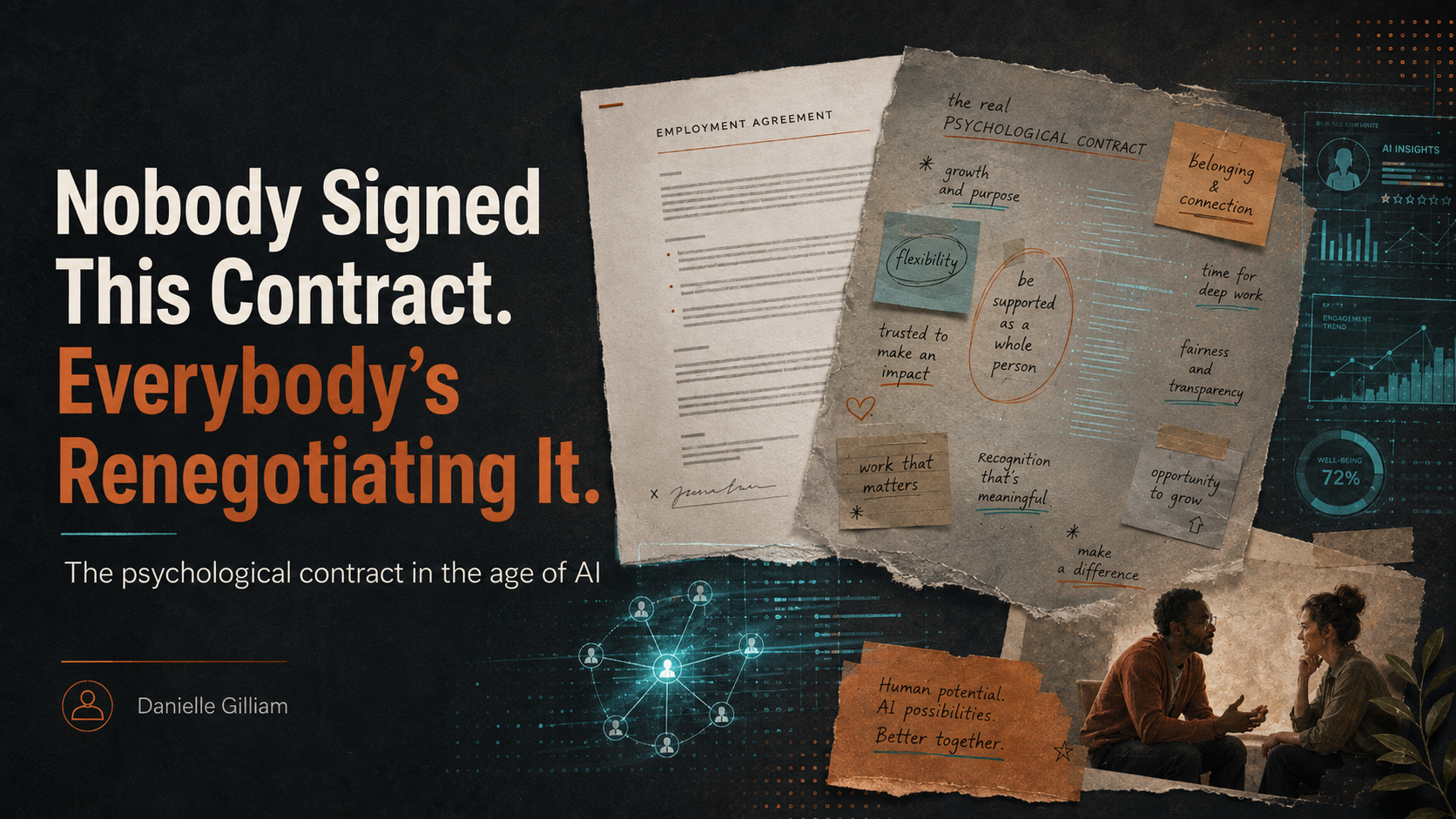
Nobody Signed This Contract. Everybody's Renegotiating It.
Danielle Gilliam explores how AI is reshaping the psychological contract between employers and employees, from performance reviews and feedback to trust, recognition, coaching, and the changing expectations that define the future of work.
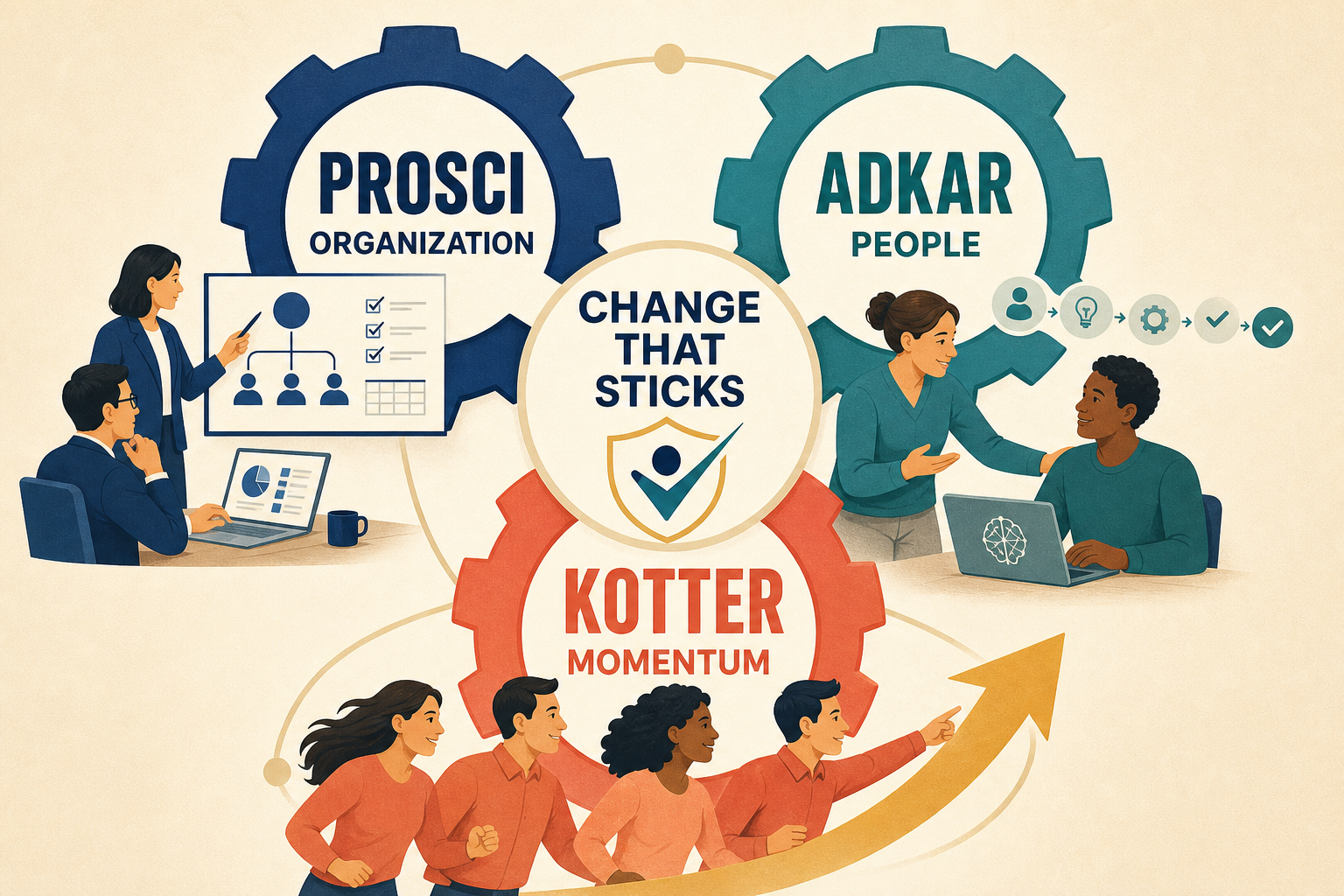
Free Change Management Guide and Workbook
Danielle Gilliam created a free organizational change management guide and workbook showing how Prosci, ADKAR, and Kotter can work together during an AI-enabled transformation. The resources include step-by-step examples, readiness scores, pilot checks, action trackers, and templates you can use with your own organization.
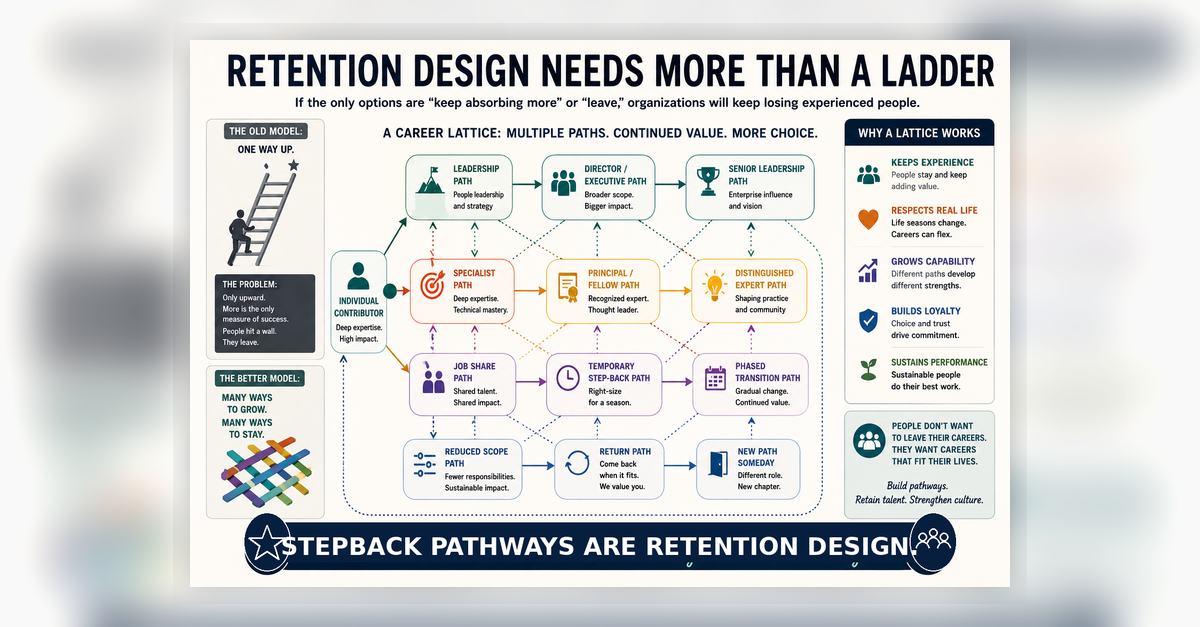
A Career Does Not Have to be a Ladder
When experienced employees start stepping back or resigning, leaders should ask what has happened to the work. Retention design starts with more realistic jobs, career lattices, and pathways that help people stay.
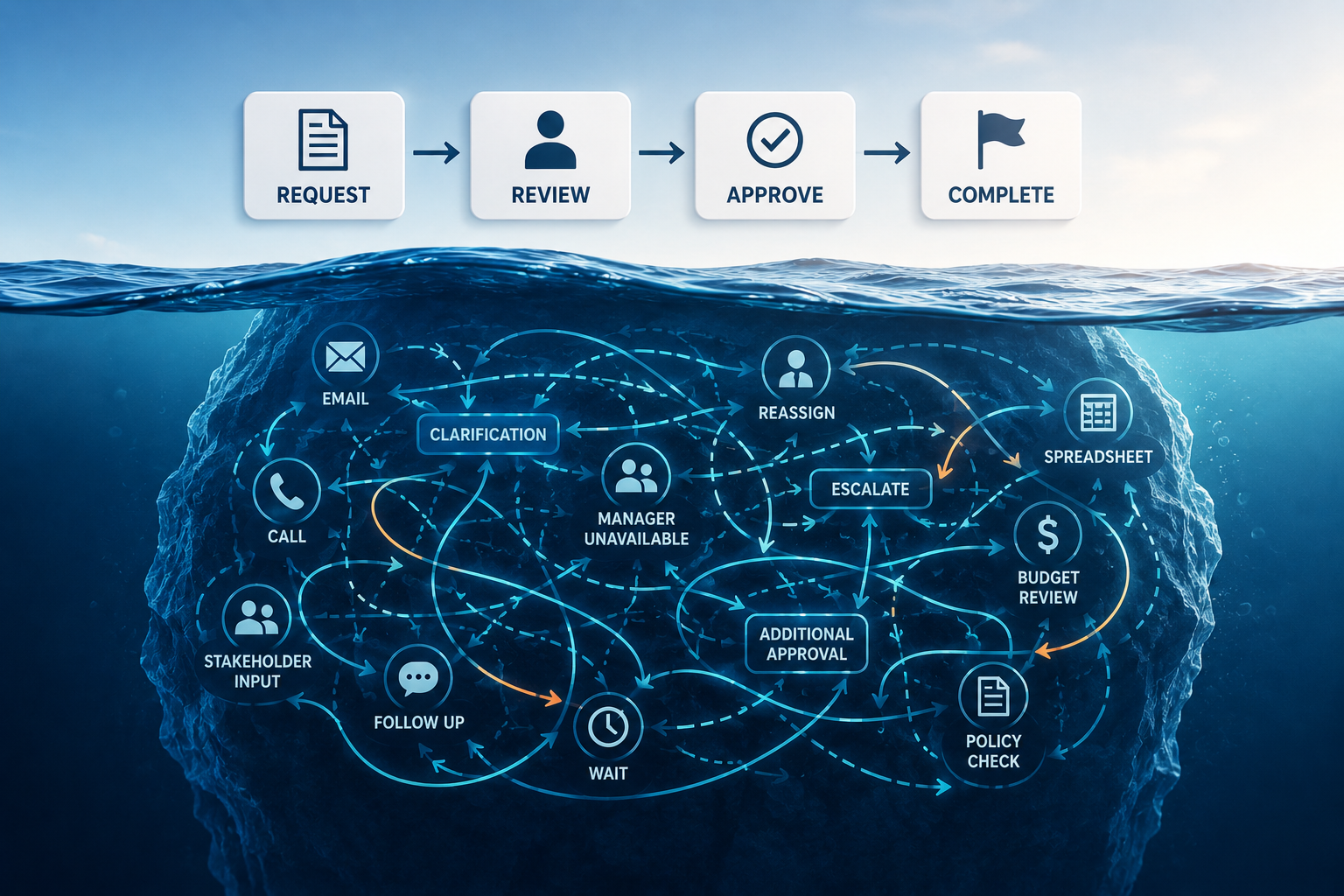
Before You Automate, Read This
Every workplace has two versions of how work gets done. There is the version written in the policy, the standard operating procedure, the org chart, or the project charter. Then there is the lived version: the informal handoffs, quiet fixes, judgment calls, workarounds, reminders, spreadsheets, relationships, and small adaptations that keep the work moving.
That invisible work matters.
When organizations automate without capturing it, they often build a faster version of a broken process. Or worse, they build a rigid system that technically follows the rules but removes the human intelligence that made the old process function.
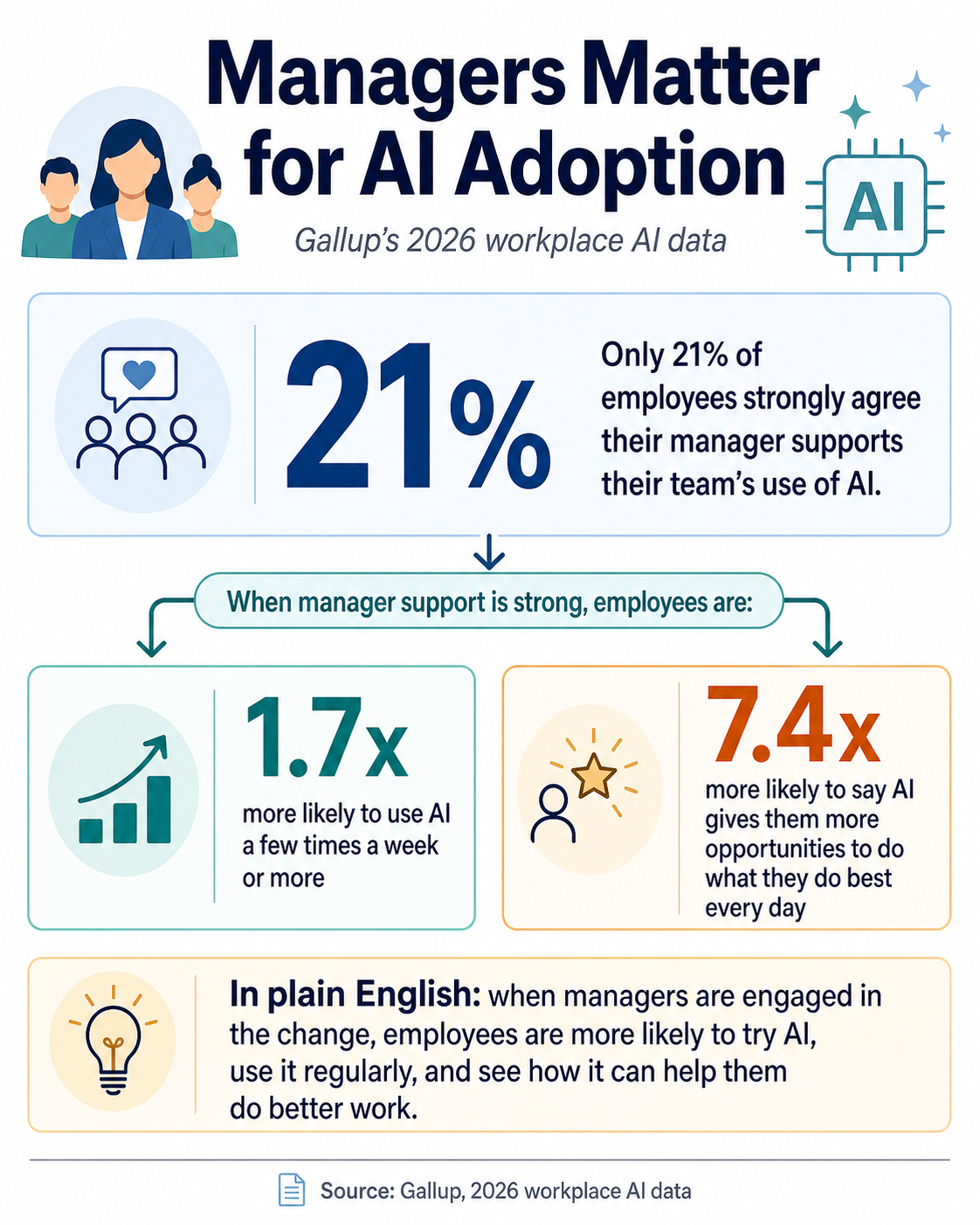
Everyone Is Talking About AI. Not Enough People Are Talking About Managers.
Managers Are the Missing Layer in AI Adoption. Everyone is talking about AI tools. Not enough people are talking about the people responsible for helping teams actually use them well.
That is where managers matter and there’s data to back it up.
AI adoption does not succeed just because an organization buys access to a platform. It succeeds when employees understand where AI fits into the work, what it can support, what risks need attention, and where human judgment must stay central.
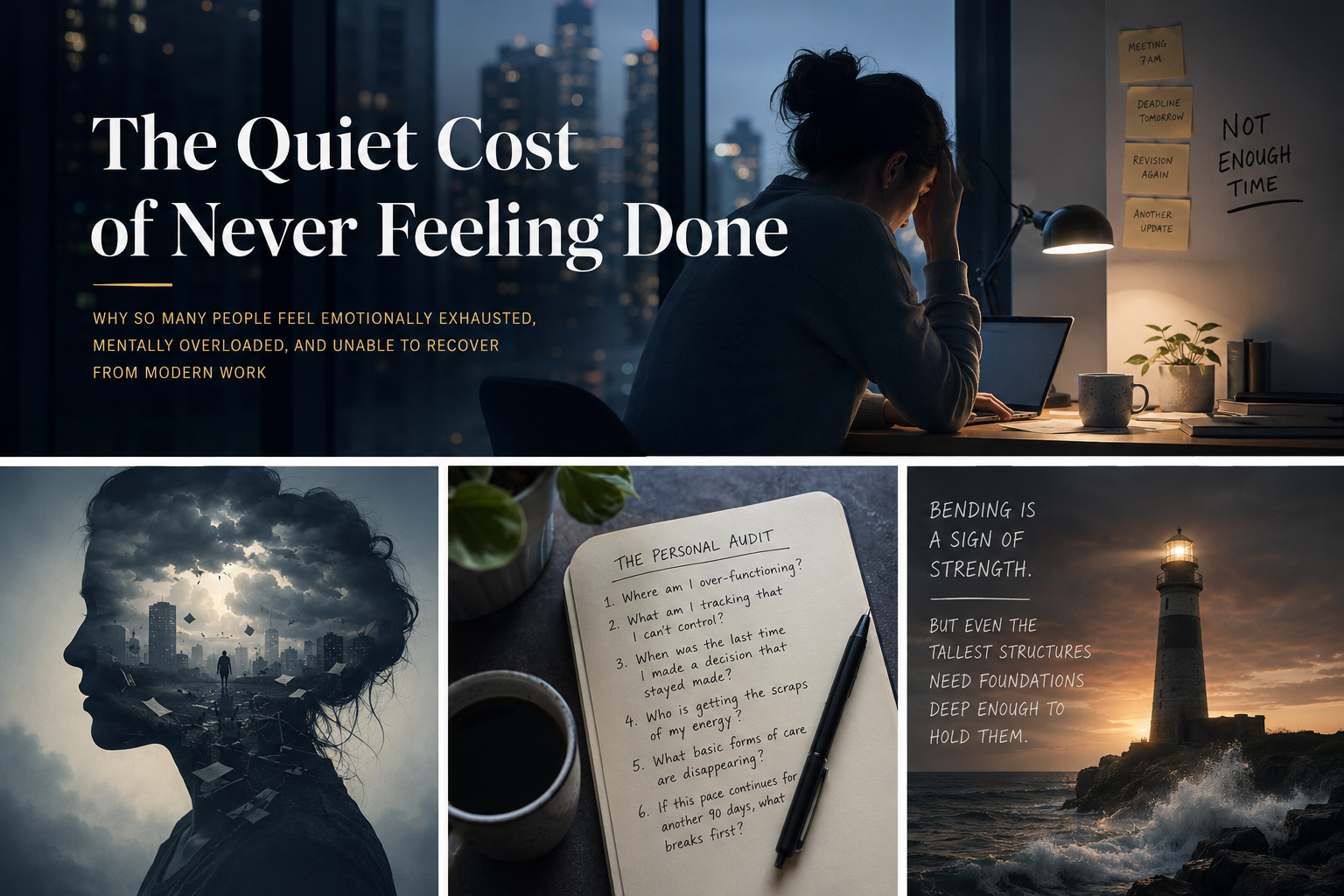
Good Management Protects People’s Best Thinking
Danielle Gilliam writes about how good management reduces decision fatigue, protects people’s best thinking, and creates clearer workplace systems.